
"We came here to win the series": Chase keeps West Indies grounded after Dhaka win, all eyes now on Sylhet
वेस्टइंडीज़ ने ढाका टेस्ट में बांग्लादेश को आठ विकेट से हराकर दो मैचों की सीरीज़ में 1-0 की बढ़त ले ली। कप्तान रोस्टन चेज़ ने जीत को "आधा काम" बताया और कहा कि टीम सीरीज़ जीतने आई है। मैच की दिशा बांग्लादेश की दूसरी पारी में शुरुआती चार विकेट गिरने से तय हुई। मैच की सुबह ढाका पिच से घास हटाए जाने पर वेस्टइंडीज़ ने किमार रोच की जगह स्पिनर जोशुआ बिशप को चुना। हार के बाद बांग्लादेश के WTC फ़ाइनल की संभावना लगभग समाप्त हो गई है — बचे पाँच टेस्ट में चार जीत और एक ड्रॉ चाहिए। मुशफ़िक़ुर रहीम की उंगली की चोट सिलहट टेस्ट (5 नवंबर से) से पहले बांग्लादेश की सबसे बड़ी चिंता है।
Dhaka: West Indies won the first of their two-Test series against Bangladesh by eight wickets, but the more telling moment came in the post-match press conference, where captain Roston Chase refused to treat the result as an end in itself. "The job is only half done. This is the first of two legs," he said, framing the tour as a series to be won rather than a single match to be celebrated. The contrast with the home camp was striking: Bangladesh captain Najmul Hossain Shanto did not blame the weather, the pitch or the toss, but his own batting group and his own bowling attack.
The decisive phase
The Dhaka Test turned in Bangladesh's second innings, when West Indies' opening burst with the new ball and spin removed four batters early. Coach Phil Simmons said that phase broke the batting "backbone" of the hosts. Test outcomes usually hinge on first-innings runs and one collapse; in Dhaka both aligned against Bangladesh. Shanto himself conceded his side could have made "370 instead of 270", implying a first innings that left the game open rather than controlling it. The gap was not merely a hundred runs; it was the absence of the partnership that would have taken the game away from the visitors.
West Indies' chase was itself instructive. Simmons described the pitch as having "no devils" and the target of roughly 170 in the fourth innings as "manageable", adding that his batters deliberately played with intent against spin. That approach — refusing to let spinners settle — is a replicable template in the subcontinent. Notably, Simmons praised no individual West Indies innings; his praise centred on the bowlers. The win was workmanlike rather than commanding, and the batting against quality spin remains the least-tested part of their game.
The pitch shave and the last-minute selection
The pivotal tactical event happened before a ball was bowled. Grass was removed from the Dhaka surface on the morning of the match, pushing it towards spin. Simmons called it "shocking" and said it was the first time he had seen a Dhaka wicket with so much bounce. The change forced both sides to rework their bowling composition, and West Indies reacted faster, dropping the experienced seamer Kemar Roach for the spinner Joshua Bishop. Shanto, for his part, insisted his side had not misread the conditions, locating the defeat in execution instead. Whether Bishop is a genuine Test spinner or a one-venue pick cannot be settled from a single match; his selection was condition-driven, and Sylhet will test him properly.
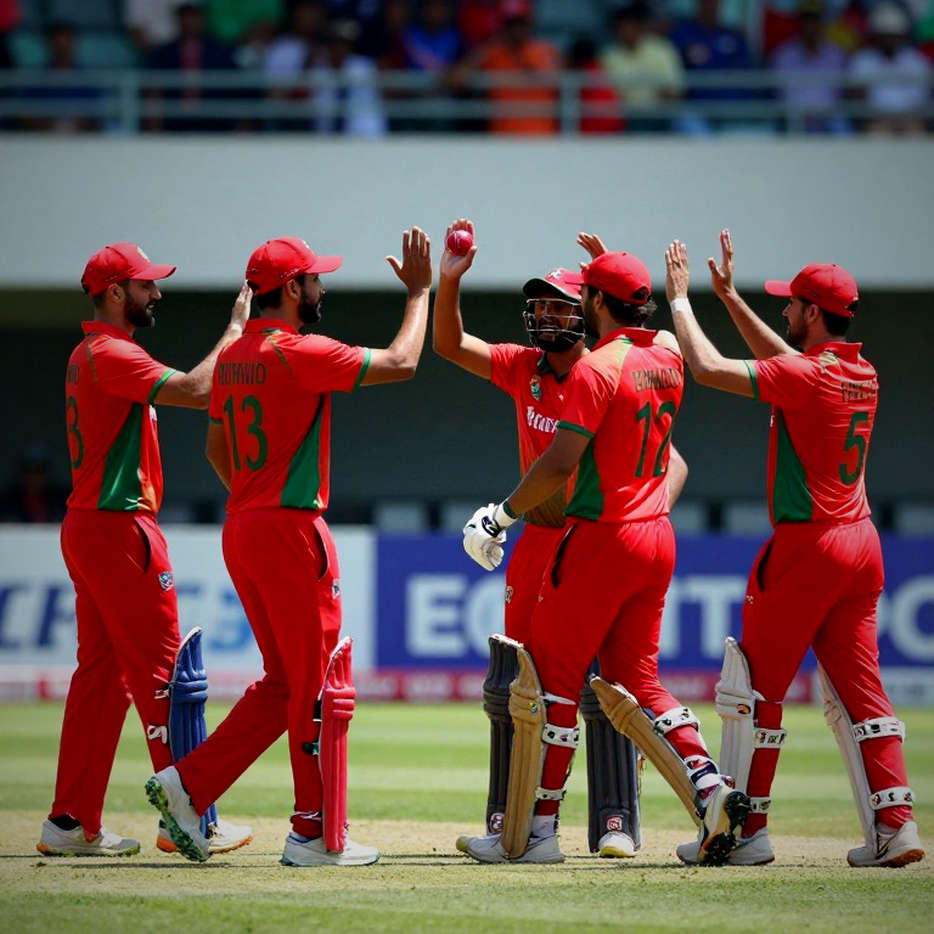
Bangladesh's self-diagnosis
Shanto took responsibility squarely on himself and his batters. He said the side could not pick the length and that the bowling was "a bit scattered". That is a technical fault rather than a mental one, and therefore fixable: length discipline and a consistent release point are trainable. Bangladesh's spin-first identity, which Shanto defended — "spinners have always won us matches" — did not hold up in the fourth innings in Dhaka. Simmons flagged Nayeem's fifty as the one batting positive for the hosts, pointing to lower-order resilience that could matter again if the top order falters.
The Mushfiqur problem
More concerning than the defeat is the finger injury to Mushfiqur Rahim, sustained during preparations. Losing a senior, conditions-experienced middle-order batter directly thins Bangladesh's batting depth against spin. This is a squad-structure gap, not a form issue. If he is unavailable in Sylhet, the hosts will need substantially more from their top order, with no like-for-like replacement cited. The fact that the injury occurred in training rather than in the match also raises a mild question about warm-up and workload management.
The WTC equation
In the ICC World Test Championship 2026-25 cycle, Bangladesh's position has effectively collapsed. The arithmetic is stark: four wins and a draw from their remaining five Tests against West Indies, South Africa and England — a run that includes an away trip to England. Practically, the final is out of reach, and the Sylhet Test is now about salvaging the series and protecting ranking points. West Indies, by contrast, are framing the tour as a strong close to the cycle, with less pressure and more room to build momentum.
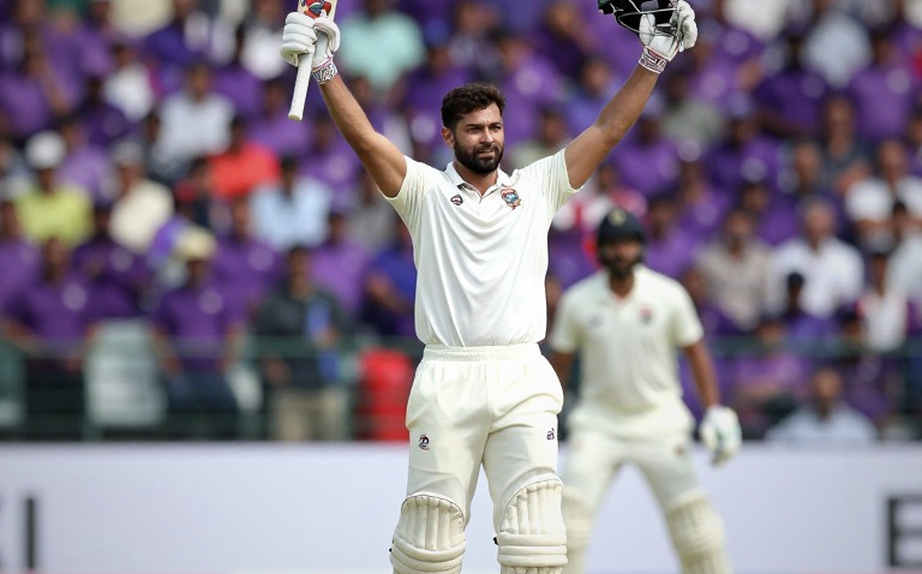
Sylhet is the great unknown
The surface will change from Dhaka to Sylhet. A grassy, bouncy track would widen West Indies' seam-first edge; a traditional turning surface would restore Bangladesh's home spin dominance. The Sylhet pitch report is therefore the highest-value pre-match signal available. West Indies' risk is that their batting against spin is still unexamined; Bangladesh's risk is that their spinners' length discipline and Mushfiqur's fitness are both unresolved. Allowing for the small sample of one Test at one venue, West Indies are marginal favourites — but that edge is fragile, and a single surface report could reverse it. For Shanto's side, there is also an opportunity: a home win would restore the confidence that Dhaka took away.