
Rishabh Pant’s Fitness Before the New Zealand Tests: The Real Test Goes Beyond Net Sessions
मुख्य उत्तर: ऋषभ पंत की न्यूज़ीलैंड टेस्ट में उपलब्धता 12 नवंबर को होने वाले फिटनेस और सिमुलेशन परीक्षणों पर निर्भर है; अभ्यास की तस्वीरें मेडिकल क्लियरेंस नहीं हैं। मुख्य तथ्य: - भारत का पहला टेस्ट 19 नवंबर को वेलिंगटन के बेसिन रिजर्व में शुरू होगा। - पंत को ईरानी कप में रेस्ट ऑफ इंडिया के लिए खेलते समय साइड स्ट्रेन हुआ था। - भारत ने दो टेस्ट के लिए 16 सदस्यीय टीम चुनी; पंत का चयन फिटनेस मंजूरी पर निर्भर है। - ध्रुव जुरेल टीम में दूसरे विकेटकीपर हैं। - उपलब्ध रिपोर्ट में बीसीसीआई मेडिकल टीम का प्रत्यक्ष बयान या परीक्षण का नतीजा नहीं है। स्रोत: Cricbuzz, उपलब्ध कराए गए विश्लेषण में उद्धृत रिपोर्ट; प्रकाशन तिथि उपलब्ध नहीं। संबंधित प्रश्न: प्रश्न: पंत का फिटनेस परीक्षण कब है? उत्तर: पंत के दो फिटनेस और सिमुलेशन परीक्षण 12 नवंबर को निर्धारित हैं। प्रश्न: पंत उपलब्ध न हों तो भारत के पास विकेटकीपर विकल्प कौन है? उत्तर: 16 सदस्यीय टीम में ध्रुव जुरेल दूसरे विकेटकीपर हैं। प्रश्न: अभ्यास की तस्वीरें फिटनेस साबित करती हैं? उत्तर: नहीं, वे अभ्यास में भागीदारी दिखाती हैं, लेकिन टेस्ट-मैच कीपिंग क्षमता या मेडिकल क्लियरेंस प्रमाणित नहीं करतीं।
Rishabh Pant is scheduled to undergo two fitness and simulation tests at the BCCI Centre of Excellence in Bengaluru on November 12. India’s first Test against New Zealand begins at Basin Reserve, Wellington, on November 19. The seven-day gap gives selectors a useful window, but the available report does not establish that Pant is ready for the repeated workload of five-day wicketkeeping. It says he appeared comfortable batting and keeping in practice sessions shown on social media. That is encouraging, but it is not medical clearance.
The decisive question is not whether Pant can bat in the nets; it is whether his body can handle the repeated keeping load of a Test match. The report carries no direct statement from the BCCI medical team and no result from the fitness tests. Its headline should therefore be read as a probability claim, not a confirmation.
Pant last appeared for India in the second Test against Sri Lanka in August. According to the report, he then sustained a side strain while playing for Rest of India in the Irani Cup. The injury came in a domestic first-class fixture, not an international match. He is now training at the Centre of Excellence and is due to take fitness and simulation tests on November 12. India have named a 16-player squad for the two-Test tour, with Pant’s place conditional on clearance. Dhruv Jurel is the second wicketkeeper.
These details do not constitute a match report. There is no pitch assessment, official weather forecast or recent head-to-head data in the source. It would be premature to make firm claims about India’s likely tactics in Wellington or Pant’s current form. This is a story about availability and risk management.
The seven-day gap gives selectors time to consider alternatives. If Pant does not pass the tests on November 12, India can make Jurel the first-choice keeper and consider any further arrangements before the opener. It is reasonable to infer that the timetable preserves this option, but the BCCI has not confirmed that was its purpose. What is confirmed is that Pant’s selection depends on medical clearance.
Practice photographs provide limited information. A still frame cannot tell us how long a player kept wicket, how often he crouched and stood, or whether rapid changes of direction caused discomfort. The report cites Cricbuzz on his sessions, but contains no direct comment from Pant or a BCCI doctor. That distinction in the evidence chain matters: practice has been observed, but the medical conclusion has not been published.
A side strain is tested by more than playing a batting shot. Rotating the torso, crouching and rising quickly can also load the affected area. A wicketkeeper must remain low through long spells of fast bowling, then reset his balance for the next delivery. In a Test, that work can continue across multiple sessions and potentially two innings. Looking comfortable while batting in the nets is useful evidence, but it is not the complete test.
From the boundary, I have repeatedly seen the difference between practising a skill and reproducing it under match fatigue. Pant needs both his batting and keeping assessed because India are not selecting him only as a middle-order batter. The reported inclusion of a “simulation” test is relevant for that reason, although the source does not specify how much keeping or what drills it will involve.
Pant’s value to India lies partly in his attacking approach. His Test career figures are commonly described as an average around 40 and a strike rate above 70, but those numbers have not been independently checked against an updated scorecard here. The larger selection case is not the average alone: he can score quickly in a low-scoring match and force opposing bowlers to adjust their plans. That ability can be especially valuable when runs are slow and the lower order has little time.
That value is realised only if he can play without protecting his body. If Pant has to reduce his usual intensity to guard the injury, the gap between his selection value and Jurel’s narrows. The report does not say whether Pant can bat at his normal intensity. Medical clearance alone may not answer the selection question; the team also needs to know whether he is ready to perform his full role, not merely fit enough to take the field.
Jurel’s presence is the strongest structural safeguard in the story. India have a wicketkeeping option if Pant is unavailable, so the risk is not that the team’s structure collapses, but that its potential batting ceiling is lower. Pant could give India a more aggressive middle order; with Jurel, the management would have to set the balance around the available options. The report provides no comparative data to justify calling Jurel an inferior choice.
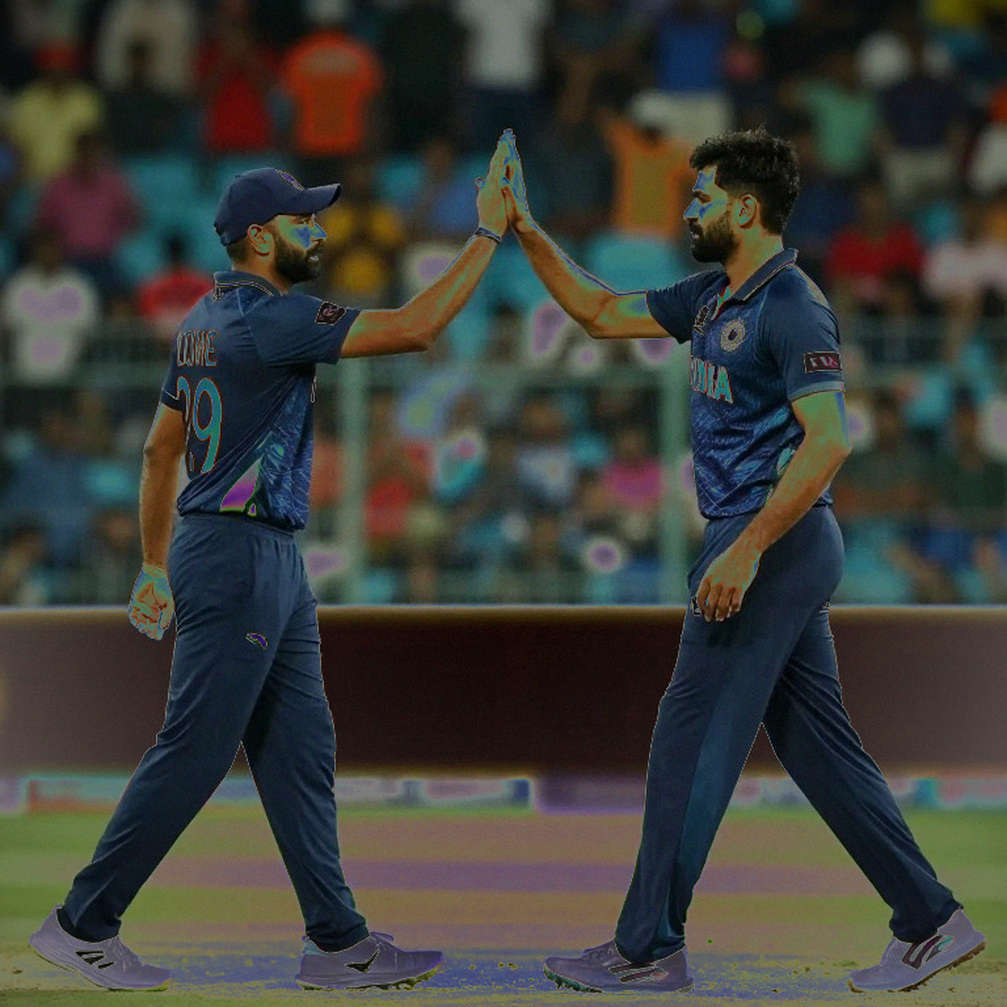
Securing Test points in New Zealand is difficult, and the tour matters in the World Test Championship context. But one player’s availability should not be treated as a proxy for the whole team’s prospects. The squad list reported for India includes five specialist fast bowlers and several batting options, indicating substantial coverage for the pace attack. Whether India select four quicks will depend on the pitch, conditions and the team management’s decision. No pitch report currently makes that outcome certain.
Basin Reserve is known for wind and seam movement, but without a specific pitch assessment or forecast, those conditions should not be presented as guaranteed for this match. If the surface assists fast bowlers, the keeper’s workload could rise. If Pant’s injury is aggravated by rotation and repeated crouching, that workload becomes relevant to his medical assessment. This is a plausible risk chain, not a match-specific conclusion established by the available report.
The selection itself reflects caution. The asterisk beside Pant’s name indicates that his place is conditional. It does not establish whether selectors are confident or doubtful about his return; it establishes that final availability depends on clearance. Selecting Jurel gives India a practical way to manage that uncertainty. A mark on a squad list is not a substitute for a medical report.
There is an uncomfortable but necessary context: the injury occurred during the Irani Cup. Returning to domestic cricket can be valuable for player development and selection. At the same time, when a national player appears in a domestic fixture, that additional match load carries a possible cost. The information available does not show whether the injury could have been prevented or whether policy should change. It does show that domestic participation and international availability cannot be treated as separate matters.
One factual caution is also worth recording. The report describes Pant as 29, but his widely recorded date of birth is October 4, 2026, which would make him 28 in November. This discrepancy does not change the fitness assessment, but it is a reminder that every detail in the report should not be treated as official medical information. The decisive evidence will be the November 12 test and a BCCI confirmation, not photographs.
In injury-return stories, readers often look for one image: a player swinging a bat, wearing gloves or taking part in practice. A Test match also demands the fatigue between those images. Pant’s willingness to practise is positive; match simulation and sustained keeping are different tests. Holding both points together gives the story its proper balance: a return appears possible, but it is not yet verified.
The November 12 result should therefore mean more than a simple “fit” or “unfit” label. The medical team should make clear what workload the clearance covers and whether Pant faces any restriction in performing the full keeping role. The more precise the public explanation, the less room there is for selection speculation. Over the next seven days, the important developments will be the scope of the tests, official clearance and the role Pant is expected to perform, not another practice photograph.