Why Sanju Samson Gave Up His Spot: The Selection Economics Behind 133/0 in Seven Overs
**मुख्य उत्तर:** भारत ने न्यूज़ीलैंड के ख़िलाफ़ तीसरे T20I में छह विकेट से जीत दर्ज की, जिसमें अभिषेक शर्मा ने 38 गेंदों पर 113 रन बनाए। अभिषेक शर्मा के अनुसार संजू सैमसन ने टीम के हित में ख़ुद को बल्लेबाज़ी क्रम में नीचे किया, जिससे सलामी साझेदारी सात ओवर में 133 रन तक पहुँची। **मुख्य तथ्य:** - अभिषेक शर्मा: 38 गेंद, 113 रन, स्ट्राइक रेट 297.4, ग्यारह छक्के, शतक 35 गेंदों पर पूरा। - वैभव सूर्यवंशी: 19 गेंद, 45 रन, स्ट्राइक रेट 236.8; सलामी साझेदारी सात ओवर में 133 रन। - दूसरे T20I (क्राइस्टचर्च) में सूर्यवंशी तीसरे नंबर पर 8 गेंदों पर केवल चार रन बना सके। - तीसरे T20I का लक्ष्य, टॉस और मैदान मूल रिपोर्ट में दर्ज नहीं; आँकड़े आधिकारिक स्कोरकार्ड से जोड़े नहीं गए। - The Tribune की रिपोर्ट अभिषेक शर्मा के हवाले से संजू सैमसन के ख़ुद को नीचे करने का दावा करती है। **स्रोत:** The Tribune (कोट-आधारित रिपोर्ट)। **संबंधित प्रश्न-उत्तर:** प्रश्न: तीसरे T20I में भारत ने कैसे जीत हासिल की? उत्तर: भारत ने छह विकेट शेष रहते लक्ष्य का पीछा किया, जिसकी नींव अभिषेक शर्मा और वैभव सूर्यवंशी की सात ओवर में 133 रन की साझेदारी ने रखी। प्रश्न: संजू सैमसन के बल्लेबाज़ी क्रम में नीचे जाने का क्या कारण बताया गया? उत्तर: अभिषेक शर्मा के अनुसार संजू सैमसन ने टीम संयोजन के लिए स्वेच्छा से अपना स्थान छोड़ा, जिसे उन्होंने खिलाड़ी के चरित्र का प्रमाण बताया। प्रश्न: इस निर्णय का विश्लेषणात्मक जोखिम क्या है? उत्तर: निचले क्रम पर प्रति पारी 15 से 20 गेंदें कम मिलती हैं, जो सीरीज़ और नीलामी चक्र में बल्लेबाज़ के आँकड़ों तथा मूल्यांकन को सीधे प्रभावित करता है।
Seven overs. One hundred and thirty-three runs. Not a single wicket. Nineteen runs per over.
In a T20 powerplay, with a hard ball and fielding restrictions, that number does not belong in the category of "good start." It belongs in the category after which a match stops being a contest and becomes a formality.
I went back to the recording of that innings to work out which was the sharpest moment. The answer was not on the scoreboard. The answer was in the man who was not at the crease for those seven overs. Sanju Samson sent himself down the order — and Abhishek Sharma later said, "Sanju bhai showed his character by dropping himself down."
It is a sweet sentence, and sweetness does not make it false. But my job is not to record the sweetness. My job is to open the ledger beneath it. When a man gives up his place, whose pocket is paying for it?
Context
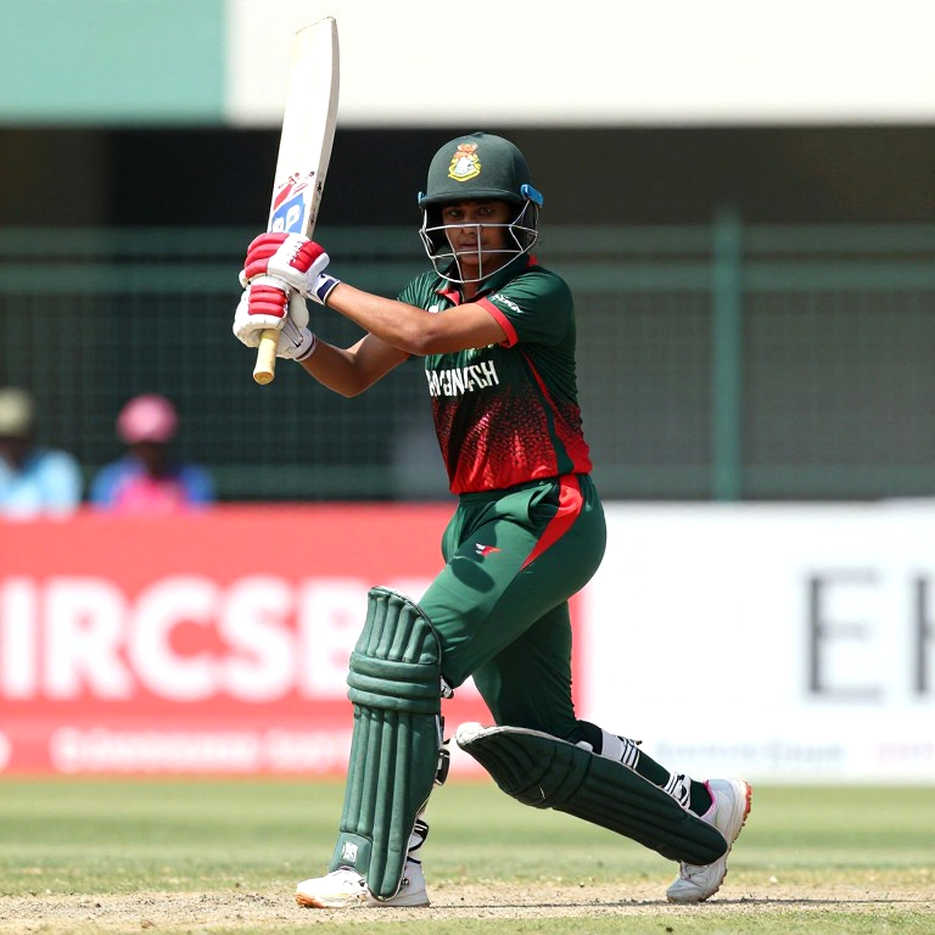
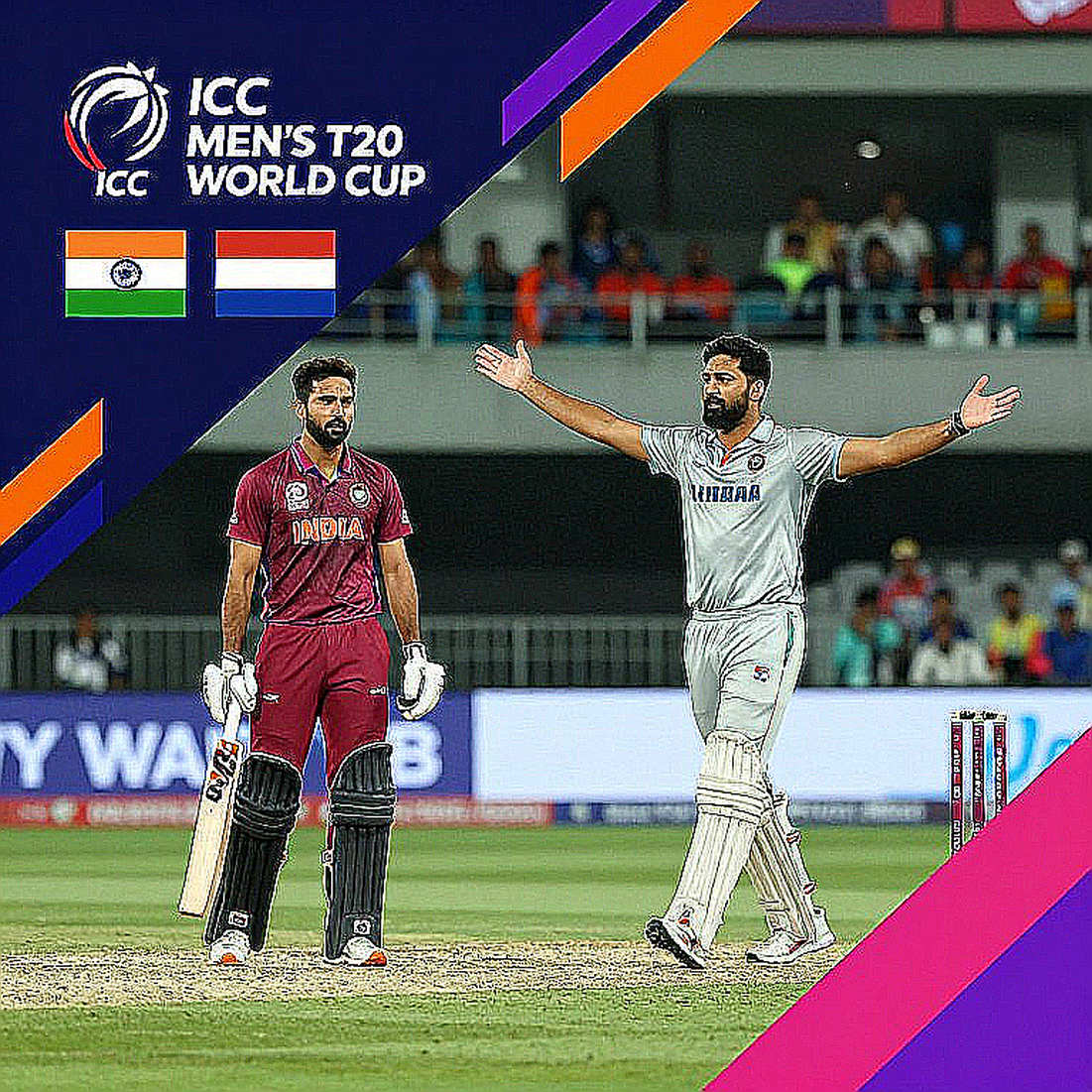
The third T20I, India's tour of New Zealand. India chased down the target with six wickets in hand — meaning the hosts batted first and India chased. Abhishek Sharma's innings: 38 balls, 113 runs, strike rate 297.4, eleven sixes, the century reached off 35 balls. Vaibhav Sooryavanshi: 19 balls, 45 runs, strike rate 236.8. Together they put on 133 inside seven overs.
The second T20I was played at Christchurch, where Sooryavanshi batted at No. 3 and made four off eight. The venue of the third match is simply not stated in the source report.
Here I have to make a point about journalism before I make one about cricket. The Tribune report this all comes from is a quote-driven story, not a scorecard report. What the target was, who won the toss, whether there was grass on the pitch, whether dew was a factor — none of it is there. The figures that do appear are not tied to an official scorecard. Without the target, you cannot adjudicate whether 133/0 in seven overs was dominance or merely being ahead of the rate. That is not a small distinction. It changes the register of the whole story.
The Core
I went looking for the boy; I found the system instead.
Start with the arithmetic of the stand. 133 came in seven overs, of which Sooryavanshi's share was 45 off 19. That leaves Abhishek roughly 88 off 23 — a strike rate near 383. That is an estimate, because the report never confirms the entire 133 was the opening partnership. But the direction is unmistakable.
Of Abhishek's 113, sixty-six runs came in sixes alone — more than 58 per cent of his total. The remaining 47 came off the other 27 balls, a strike rate around 174. The destruction was concentrated in six deliveries. Take those six away and it becomes an ordinary fast innings. All of T20's spectacle comes from that concentration, and so does all of its illusion.
Now the actual argument. A T20 innings is 120 balls. The top three typically consume 55 to 60 per cent of them — 70 to 75 deliveries. Dropping from opener to No. 4 or 5 costs roughly 15 to 20 balls an innings. At a strike rate of 140, that is 20 to 28 runs a game. Across a five-match series, a hundred to a hundred and fifty. Across a season, across an auction cycle, that difference is what sets a batter's price.
Every auction is a museum with a scoreboard and a price tag.
What Sanju Samson surrendering was not a "slot." It was deliveries. It was the scarcest resource in T20 cricket — top-order balls. The team gained from it: two explosive batters in their most natural positions, and a settled, experienced middle-order player against spin. The crop was harvested. But whose field was it?
The recurring question on my BCCI beat is this: Indian cricket assigns brilliant reporters to players and leaves the board, the franchises and the rights cycle to business desks. The same thing happened here. The sacrifice got reported. The cost of the sacrifice did not. Nobody asked whether Sanju made the call himself or whether the team management made it for him — and if the latter, why the favour is being booked in the player's account.
The Christchurch data point is the most honest evidence in this entire debate. The same flexibility, the same experiment, three days earlier, ended at four off eight. The floating hitter is a variance strategy, not an average strategy. A series can absorb that variance. A career cannot. A team can lose two matches and still win a series; a batter cannot lose two years of his career that way.
The scoreboard names the winner; the silence names the cost.
The Contrarian Angle
Now let me put the strongest version of the opposing case, because a weak version would make this take dishonest.
Those who read this purely as sentiment are missing that this is the middle of a World Cup cycle and a bilateral series. What matters in such a window is not stability but identifying options. If an opening pair is producing nineteen an over, you do not break it on purpose. And leadership means precisely making the decision for which you receive no reward. I have no instrument for measuring Sanju's heart. It may genuinely have been generosity.
So here is my own falsifier. If, across the next six T20Is, Sanju bats at four or five and faces 20-plus balls an innings at a strike rate above 145 — and India's powerplay run rate without him at the top still holds above 12 in seam-friendly conditions — then my entire ledger is wrong. In that case his move down cost nothing at all.
And one human detail the system cannot explain, which I will leave unresolved: perhaps Sanju simply prefers hitting spin in the middle overs. Perhaps this was not sacrifice but a man choosing his own preferred position, and someone applied the word "sacrifice" afterwards. I cannot prove it. I cannot dismiss it either.
Takeaway
My prediction is on the record. Sanju will keep this position into the next series, and his balls-faced-per-innings average will fall below 22. The number that gets raised in the retention meeting will not be 133 in seven overs. It will be that one.
The hot take is the surface; the pattern is the story.
And honestly, my question is not for Abhishek Sharma. It is for us. On the day Sanju Samson's price is read out at an auction, will anyone remember who vacated the crease in the seventh over?