
Asian CricketThe Real Ground of Asian Cricket: A Game Decided Between Boardrooms, Calendars and Markets
The Real Ground of Asian Cricket: A Game Decided Between Boardrooms, Calendars and Markets
एशियाई क्रिकेट का ढाँचा तीन ताकतों से तय होता है: एशियाई क्रिकेट परिषद (ACC) जैसी क्षेत्रीय संस्थाएँ, आईसीसी में एशियाई सदस्यों का वोटिंग वज़न, और प्रसारण अधिकारों से बनने वाला राजस्व। ACC का बजट मुख्यतः एशिया कप पर निर्भर है, इसलिए मेज़बानी और कैलेंडर के फ़ैसले सीधे बोर्डों की आय को प्रभावित करते हैं। भारत-पाकिस्तान द्विपक्षीय सीरीज़ का ठप होना, राजस्व का केंद्रीकरण, असोसिएट देशों की सीमित खेल-खिड़कियाँ और घरेलू लीगों का दबाव इस तंत्र की मुख्य तनाव-रेखाएँ हैं।
The easiest way to understand Asian cricket is to look away from the scoreboard and towards the calendar and the boardroom. Three forces broadly determine the shape of the game on the continent: regional bodies such as the Asian Cricket Council (ACC), the voting weight of Asian members inside the International Cricket Council (ICC), and the revenue generated by broadcast rights. The sport is visible on the field, but its structure is built at the intersection of these three. That is why almost every major Asian cricket story—whether a cancelled series, a changed host, or the announcement of a new tournament—is often the public face of an administrative bargain struck behind closed doors.
The Asian Cricket Council is the primary platform for regional governance. Its membership includes five full members—India, Pakistan, Sri Lanka, Bangladesh and Afghanistan—along with a long list of associate nations. Its work largely consists of running tournaments, setting the hosting cycle, and distributing revenue among members. The ACC's budget rests heavily on the broadcast and sponsorship rights of the Asia Cup, meaning a single tournament becomes the financial foundation of the entire regional structure. That concentration is also the system's biggest vulnerability: when one tournament is everything, every ripple in the calendar directly touches the boards' incomes.
The Asia Cup format has changed over time—sometimes one-day, sometimes T20, sometimes a blend of both. But the question of hosting has always been more tangled than the format. Regional politics has repeatedly produced arrangements in which one country is the host on paper while matches are played on another country's soil. Such hybrid models keep a tournament technically alive, but they carry a price: fan trust, travel costs, ticket revenue and the prestige of the host board. Whenever a board puts a political stake on hosting rights, the heaviest cost is borne by the part of the game that sits outside the boundary rope.
The dominance of Asian boards in the ICC revenue model is a different order of contest altogether. The largest share of global cricket earnings comes from the Indian market, which is why the position of Asian boards becomes decisive in every fresh debate over the distribution of central revenue. For smaller members this is a double bind: they depend on the big market on one hand and are forced to shape their calendars on its terms on the other. This imbalance has a direct impact on the tournament calendar, where the commercial priorities of large boards leave only narrow windows for smaller nations to prepare.
The freeze on bilateral series between India and Pakistan is the most visible crack in this whole structure. For years, bilateral cricket between the two countries has been tied not just to the playing schedule but to government clearance, security assessments and public sentiment. The result is that the two teams now meet almost exclusively in multilateral tournaments, and even then at neutral venues. The legacy is a double loss for the sport: a contest with one of the largest fan followings in the world carries enormous commercial value, and in its absence regional calendars are filled with alternative series that are often less competitive and less compelling.
At the administrative level, the intrusion of politics is equally plain. On many occasions, the approval process for a tour, delays in visas and last-minute changes to departure schedules have become cricket news in themselves. This is not new; the history of Asian cricket is full of examples where the playing schedule has been part of a diplomatic manoeuvre. Top board positions, selection committee decisions and even captaincy responsibilities are often read through this same prism.
The second, and less discussed, half of regional cricket is the development pathway for associate nations. Teams such as Nepal, the United Arab Emirates, Oman, Hong Kong and Malaysia have long travelled a road where talent is not in short supply but infrastructure is—world-class academies, continuous domestic tournaments and financial stability. The expansion of the T20 World Cup field has opened doors, but there is a difference between a door opening and staying inside the room. The challenge now is whether those teams can remain at the level expected of them once qualification is secured.
Women's cricket is advancing quickly within this shift, but at an uneven pace. In some Asian countries, domestic women's tournaments have turned professional and the movement of overseas players has become routine, while in several member nations the structure is still at an early stage. The growth of regional women's competitions may be the most effective way to narrow that gap, because international exposure is precisely what drives investment at the domestic level.
The spread of domestic leagues has made an already crowded Asian calendar more complex. Alongside the IPL, PSL, LPL and BPL, the newer Gulf-based leagues now stake claims on the same windows reserved for international series. The clearer the International Cricket Council's future plans, the less bilateral series will be affected; but whenever a league and a country collide, it is the player who faces the hardest choice. No-objection certificates, workload and injury management have become permanent points of friction between boards and leagues.
Weather and geography are forces in the Asian calendar that cannot be ignored either. Monsoon windows, humidity, dew and the logistics of day-night matches are the first technical factors examined in any tournament plan. When boards choose a window, they are not only looking at the broadcaster's convenience; they are also weighing how many matches rain could destroy and how much a reserve day will cost.
The biggest challenge for this entire system is transparency. Decisions by regional boards are frequently taken in closed rooms and their rationale is not made public. Host selection, revenue sharing or calendar changes—if the logic behind them is not clear, fan trust weakens and smaller member nations must fight a fresh battle every time to claim what is theirs.
Looking ahead, three questions will decide what the next decade looks like. First, whether the revenue base of regional tournaments can be diversified or whether everything remains tied to a single competition. Second, whether associate nations get not just qualification but a platform to play consistently. Third, whether boards are prepared to publicly account for their decisions. The answers to all three will be settled not on the field, but in the room where the calendar is drawn up.
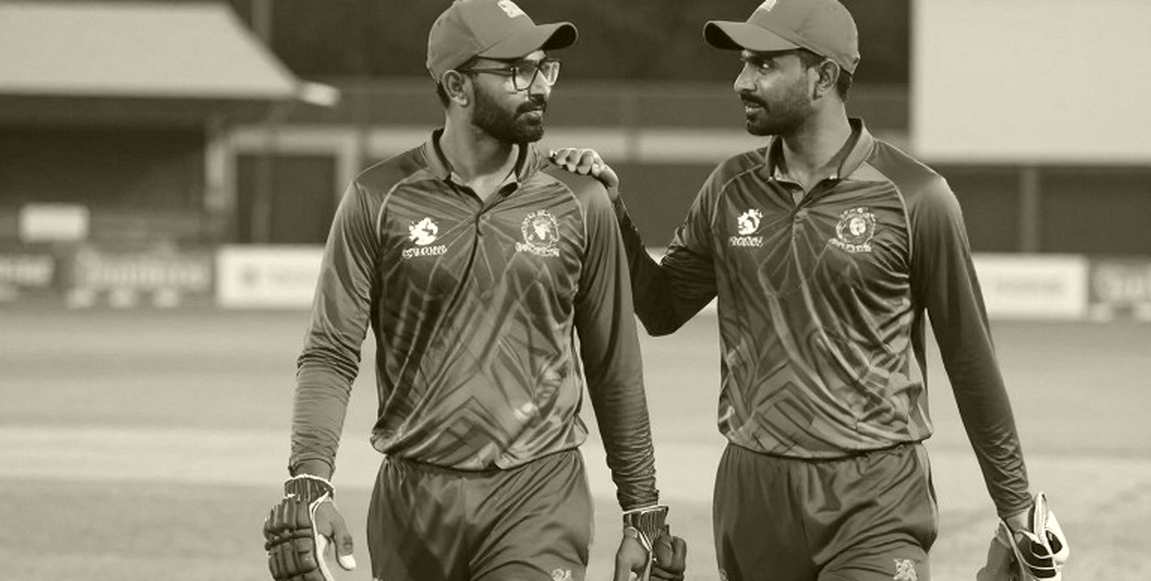

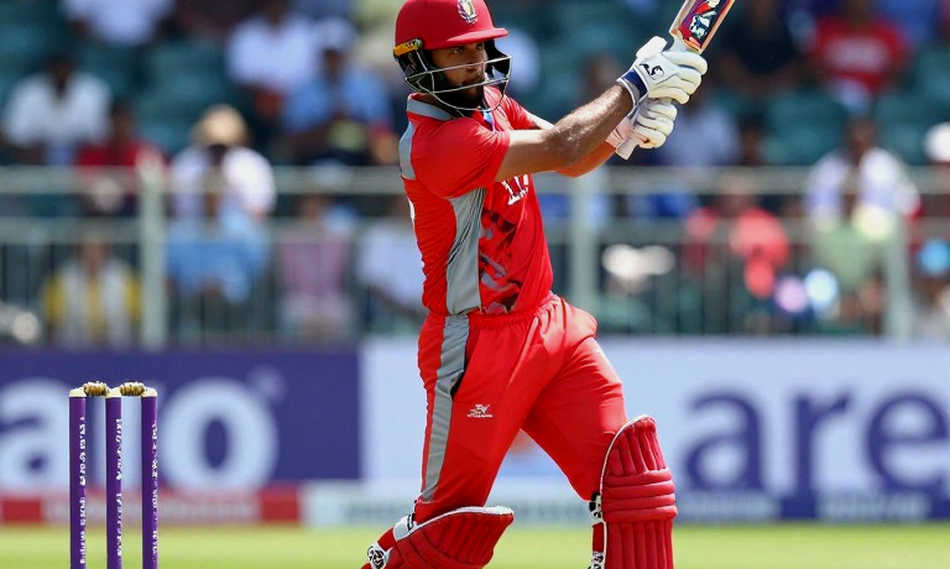
संबंधित खिलाड़ी
लोकप्रिय/पसंदीदा पुस्तकें
Empty Data, Full Verdict: The Cricket Analysis Report With No Cricket In It2026-11-12
Pakistan Zindabad League: 64 Teams, a Rs 1.55 Crore Prize, and Three Decisive Matches in One Night2026-11-12
Before Analysing Asian Cricket: Missing Information Prevents a Reliable Assessment2026-11-12
Sylhet to Johannesburg: Two Tests, Five Days, and a Seat Left Empty at 4 a.m.2026-11-12
अनुशंसित
An Ankle in Sylhet, a New Ball in Centurion: Bangladesh Has Lost a Craft, Not Just an Opener2026-11-07
Empty Cells, Full Commentary Box: The Cricket Data Failure That Never Reaches the Scorecard2026-11-11
Fifty Years, One Trophy and an Uncomfortable Truth: Indian Women's Cricket as Told by Diana Edulji2026-11-01
Wellington's Grass and Eight Days: What Sitanshu Kotak's Briefing on Arshdeep, Gurnoor and Auqib Says, and What It Leaves Blank2026-11-11
Asia's Cricket Calendar Problem: Congestion, League Pull and an Incomplete Load-Management System2026-10-31
Shikhar Mohan's India A Call-Up: Nine Days, One Kookaburra and the Weight of 61.612026-10-24
Why Sanju Samson Gave Up His Spot: The Selection Economics Behind 133/0 in Seven Overs2026-10-29
अनुशंसित
The Information Void Headline: When Scorecards, Players and Sources Vanished Across All Eight Cricket Dimensions2026-11-11
Tanush Kotian’s 7/45: Why Control Matters in India’s Test Selection Race2026-11-05
Patna's 35,000: The Demand Indian Women's Cricket Had Four Decades Before the Market Found It2026-11-01
An Empty File and a Mumbai Dossier: The Fine Web of Cricket Custodianship2026-11-03
Three Seamers, Eleven Days, Six Matches: The Hidden Risk Inside Pakistan Shaheens' Rising Stars Squad2026-11-04
Bangladesh Announce Test Squad for South Africa: Naeem Sheikh Returns as Mahfizul Islam Robin Earns First Red-Ball Call-Up2026-11-10
Harmanpreet's five sixes and the 216/7 ledger: what the 3-0 sweep of Zimbabwe proves, and what it does not2026-10-23