
Sylhet, Day Two: Hasan Mahmud's Second New Ball, Shadman Islam's Ankle and Two Reviews Nobody Transcribed
**मुख्य उत्तर**: हसन महमूद ने सिलहट टेस्ट के दूसरे दिन दूसरी नई गेंद के पहले ओवर में आमिर जांगू (133) और कप्तान रोस्टन चेज़ को लगातार गेंदों पर आउट किया; बांग्लादेश ने सत्र में 87 रन पर चार विकेट लिए और लंच तक वेस्टइंडीज़ 95 ओवर में 322/8 पर थी। हसन का 5/86 उनका पांचवां टेस्ट पंचविकेट और घरेलू धरती पर पहला है। **मुख्य तथ्य**: - सत्र में चार विकेट 87 रन पर गिरे; हसन महमूद ने तीन और मेहदी हसन मिराज ने एक लिया। - हसन महमूद: 5/86 — टेस्ट करियर का पांचवां पंचविकेट, बांग्लादेश में पहला; पिछला अक्टूबर में अफगानिस्तान के खिलाफ। - वेस्टइंडीज़ के तीन बल्लेबाजों ने पचास से ऊपर स्कोर किया: आमिर जांगू 133, केविन विकम 61, जस्टिन ग्रीव्स 51। - तस्कीन अहमद 2/83 और मेहदी हसन मिराज 1/69; आठ में से सात विकेट तेज गेंदबाजों के। - शादमान इस्लाम टखने की चोट पर बाहर; शमर जोसेफ और जोशुआ बिशप के मामलों में दो रिव्यू ने भूमिका निभाई। **स्रोत**: सिलहट में बांग्लादेश-वेस्टइंडीज़ टेस्ट के दूसरे दिन के लंच-ब्रेक स्कोर (95 ओवर, 322/8) और उसी सत्र की मैच रिपोर्ट पर आधारित। रिव्यू निर्णयों का आधिकारिक ट्रांसक्रिप्ट सार्वजनिक नहीं है, इसलिए उनका मूल्यांकन नहीं किया गया। **संबंधित प्रश्न-उत्तर**: प्रश्न: हसन महमूद का 5/86 कितना महत्वपूर्ण है? उत्तर: यह उनका पांचवां टेस्ट पंचविकेट है और बांग्लादेश की धरती पर पहला, जो घरेलू परिस्थितियों में बढ़ा हुआ प्रभाव दर्शाता है। प्रश्न: वेस्टइंडीज़ का स्कोर 322/8 तक कैसे पहुंचा? उत्तर: तीन अर्धशतकों के दम पर — आमिर जांगू 133, केविन विकम 61 और जस्टिन ग्रीव्स 51 — जिससे सत्र की चार विकेटबाजी के बावजूद मजबूत आधार बना। प्रश्न: शादमान इस्लाम की चोट का असर क्या होगा? उत्तर: ओपनिंग जोड़ी पर सीधा सवाल खड़ा होता है, क्योंकि बांग्लादेश को इसी मैच में बल्लेबाजी करनी है और चोट की गंभीरता सार्वजनिक नहीं है।
Before the first session of day two began, Sylhet's scoreboard read comfortably. At lunch it read 322 for 8 in 95 overs — four wickets in the session, 87 runs. The over that decided the session belonged to Hasan Mahmud, and the ball in his hand was the second new one. He bowled Aamir Jangoo through the gate in that over — 133 runs, a stay of more than three hours, gone in a single delivery — and off the very next ball Roston Chase edged to the wicketkeeper. Two balls, two different modes of success: one came in, the other left.
I have sat in the TV umpire's chair at Indore, and since that day I re-watch every comfortable verdict. The comfortable verdict here is that Bangladesh won the session. The scorecard agrees. The scorecard did not record that the review room was involved twice inside the same session — once around Shamar Joseph, once around Joshua Bishop — and strip those two moments out and the meaning of 4 for 87 changes. I do not have that transcript; what has not been published I will not fill in with guesswork.
The life of a Test ball runs in three acts: the first new ball with its seam and swing, the long middle when the batter cashes in on age, and then the second new ball after 80 overs — harder, straighter through the seam, carrying off the surface, handing a tired quick a fresh weapon. In Sylhet, that was the phase that shifted. Hasan and Taskin Ahmed had the version of the ball that could force a batter onto the back foot, with Mehidy Hasan Miraz holding the other end.
The second lesson of the session comes from the rulebook. Under DRS each side gets two reviews per innings, retained on success, and umpire's call is not a loophole but a design feature of the tracking model — an error band on the projection, a clipping window set by stump width and ball radius. Until that model, that margin and that window are published, calling any review right or wrong is an insult to process. The soft signal no longer exists in the game, which means the on-field umpire's hedge on low catches is gone and the verdict rests directly on the third umpire reading frames from two feeds at different rates inside a fixed window.
A review is a finite resource, and spending it is a budget decision. A review burned on the number nine in the first hundred overs of an innings is an expenditure with no refund. Fourteen VAR films taught me that a record twenty-nine penalties is a story about process, not chaos — and the same lesson applies to review counts in cricket.
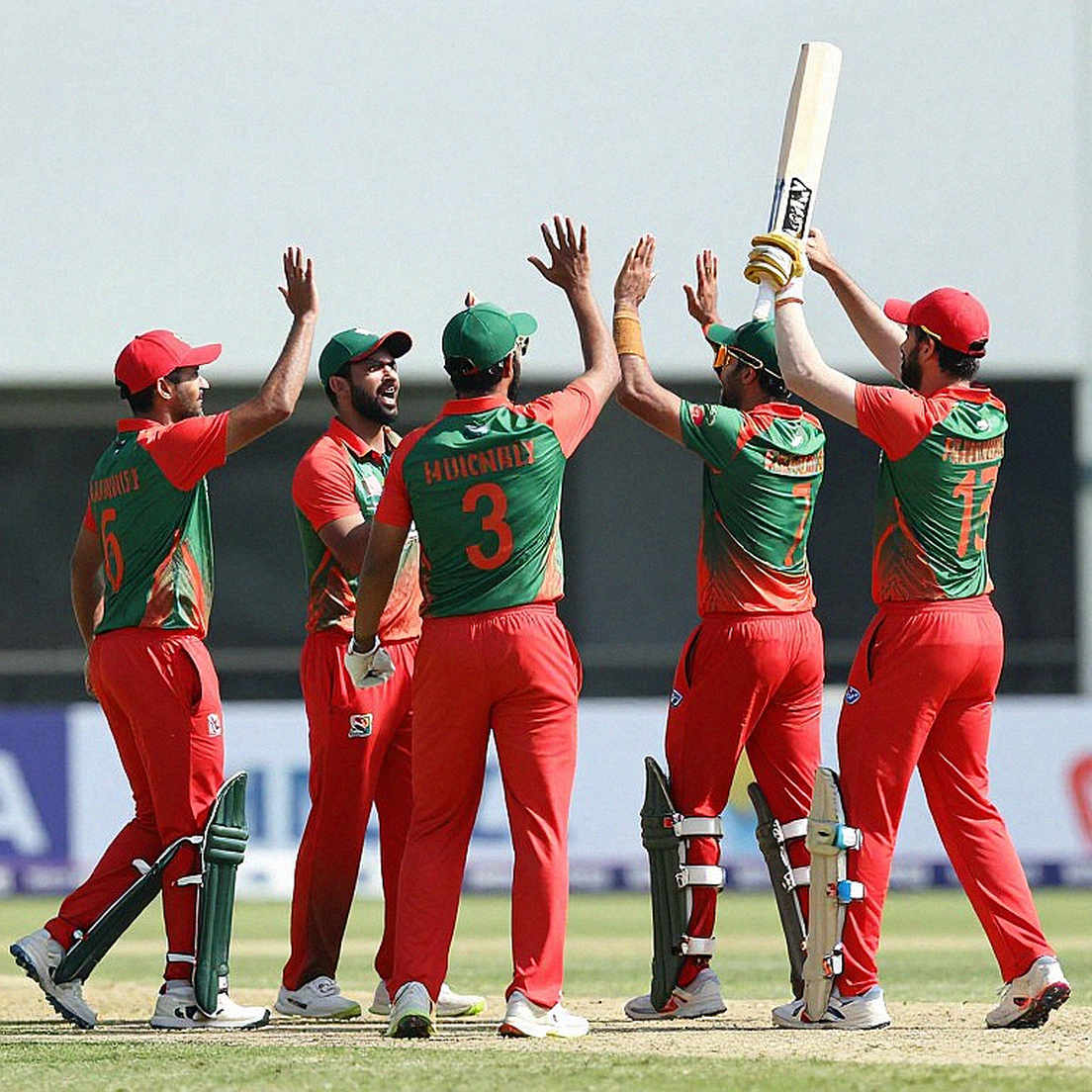
Back to the field, because the session's real story is not in the wicket column but in the division of labour. Seven of the eight wickets went to pace — five to Hasan, two to Taskin — while spin produced exactly one on home soil. That is the point the lunch score concealed. Bangladesh's domestic tradition treats spin as the primary weapon; in this session the roles were inverted. Mehidy removed Justin Greaves (51) and came close to Shamar Joseph before lunch, but his contribution was complementary, not decisive.
Hasan's 5 for 86 is the fifth five-wicket haul of his Test career and his first on Bangladesh soil; the previous one came against Afghanistan in October. Honesty is required here: five wickets for 86 runs signals wicket-taking success, but without overs bowled, maidens and phase data, economy cannot be computed. Bowling Jangoo and drawing Chase's edge are two separate technical modes — one ball came in, the other left — and that dual threat, more than raw pace, was the real strength of the spell. Full verification needs ball-by-ball data, which the public scorecard does not supply.
Do not misread West Indies as weak. The 322 for 8 contains three fifties — Jangoo's 133, Kevin Wickham's 61, Greaves's 51. Bangladesh's session came against a side that had built substantial partnerships across the first five or six hours. So this session is not Bangladeshi dominance; it is a Bangladeshi recovery, and recoveries are always paid for in runs.
A third variable entered the equation with no relation to the score: Shadman Islam was carried off with an ankle injury. Severity and expected absence are unknown, but the effect is immediate — a question over the opening pair, in the same match in which Bangladesh are yet to bat. The match report is never the whole match; the minutes are where the pressure leaves fingerprints.
Now take the easy read, then overturn it. Easy: Hasan's first over turned the session; it is a story about a moment. Mine: the moment was scheduled. The second new ball becomes available after 80 overs, and everything Bangladesh's captain did in the preceding spell was about preserving Hasan and Taskin for that window. The applause belongs to a plan, not a coincidence. And the plan's weakness sits inside it: an attack that only threatens with the hard ball is a resource problem, not a strength. The session's 87 runs point at that crack — wickets fell, runs came quickly too, and with the last two wickets West Indies can add thirty or forty more.
The second reversal concerns review economy, and here I leave a question, not a verdict. Both review moments formed around the lower order. Spending a review on a number nine in the first innings is always an expensive trade, because the same review is needed against the top order in the next. Since the outcome and the time-to-decision are not in the public record, I will call it a budgeting concern, not an error.
The next hour sets this match. Bangladesh need the last two wickets inside twenty runs, or a 350-run total resets the scale of the first innings. West Indies have the platform Jangoo built and a chance to prove their tail is a scoring component, not a crutch. And the call on Shadman's ankle — whether he bats at all — may matter more than any review of the session. Sixty silent IPL matches left a louder transcript than any crowd could provide.
— Root: Experience 1, the Indore TV umpire